


Heritage Flower Clock Landmark for Urban Community Parks in Japan (Kansai Region)
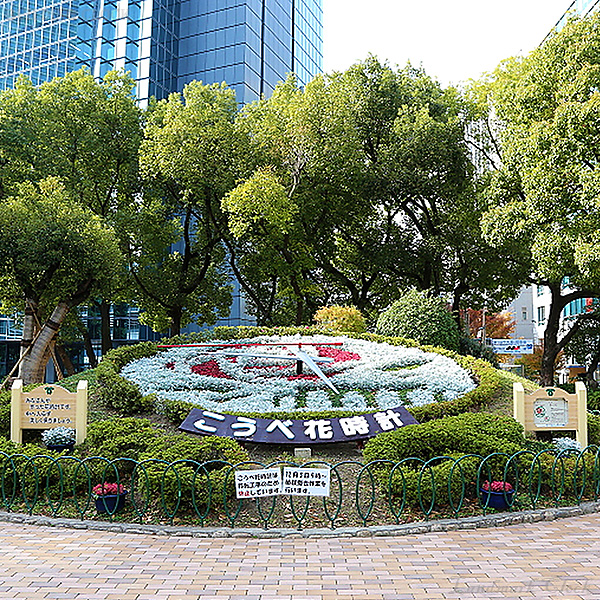
Heritage Flower Clock Landmark for Urban Community Parks in Japan (Kansai Region)
A Flower Clock can be a surprisingly powerful piece of civic design: it delivers reliable public timekeeping, functions as a living landscape installation, and becomes a shared memory marker for generations. This case demonstrates how an architectural flower clock—built into a gently sloped planting mound with oversized hands—can evolve from “a beautiful detail” into a protected community landmark that people actively defend when redevelopment begins.
A living landmark designed for a civic center setting
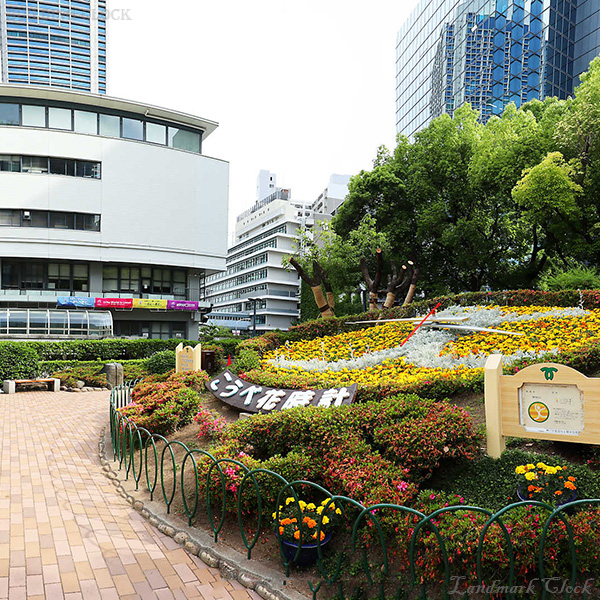
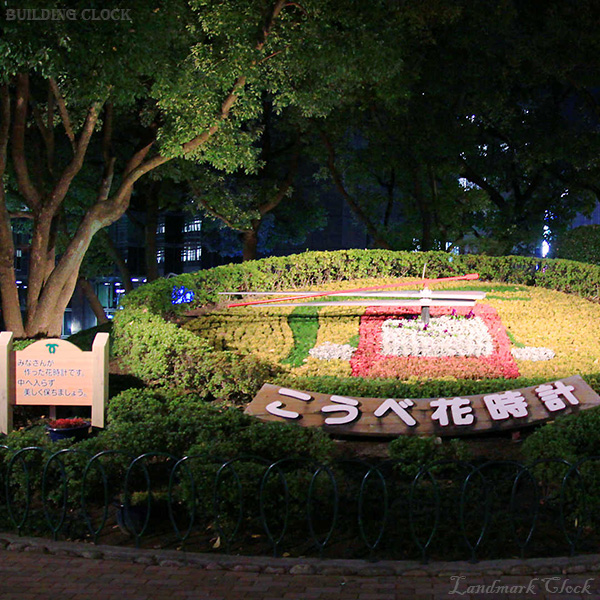
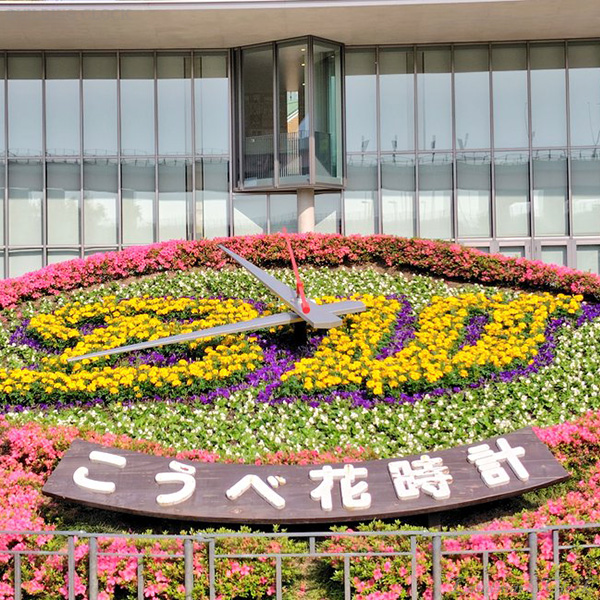
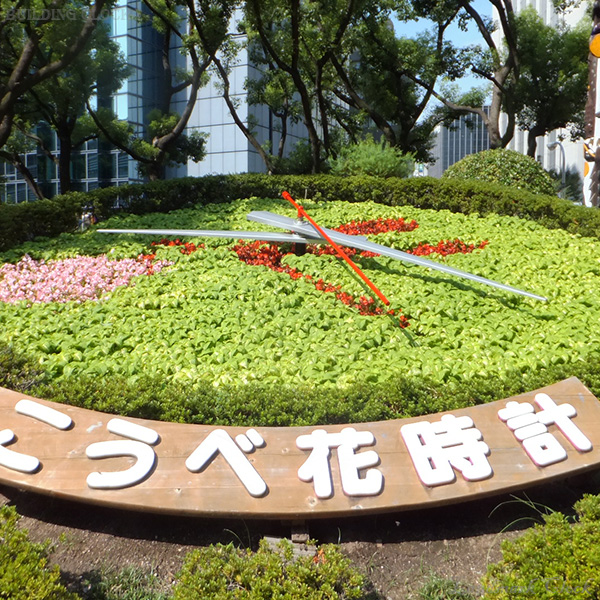
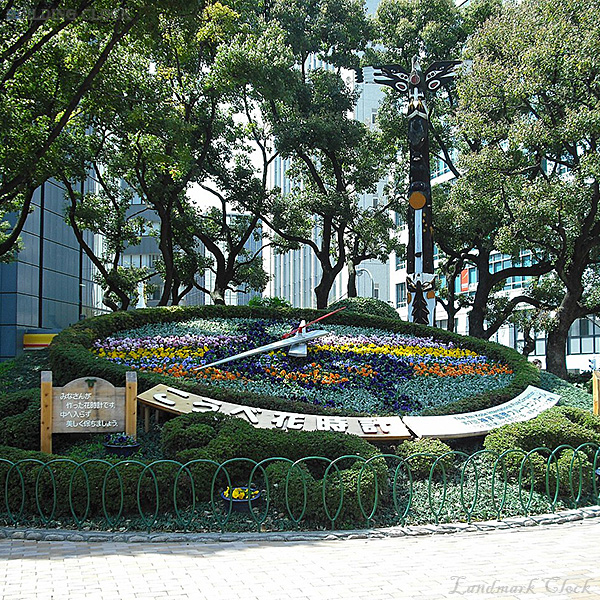
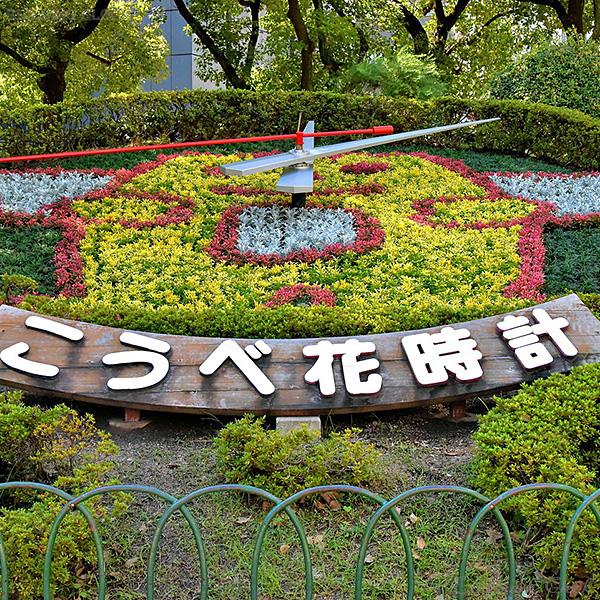
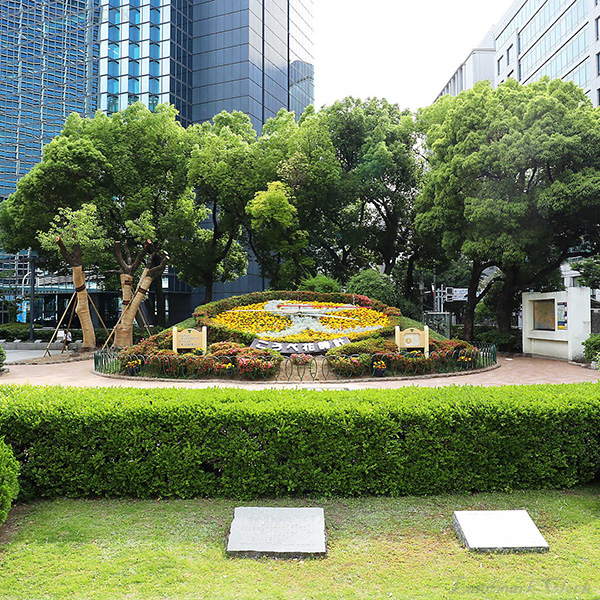
Visually, the installation is composed as a landscaped “green hill” with a tilted clock face (for easy visibility), crisp planting patterns, and an oversized hand set—high-contrast white hour/minute hands with a red second hand for immediate legibility. It is framed by trees, hedges, and surrounding civic/office buildings, which makes it read like a formal public plaza feature—an anchor point for wayfinding and a reliable meeting place.
This type of clock is especially effective in urban community parks and civic-center open spaces where pedestrians approach from multiple directions. The clock face acts as a “front” of the park, while the planted mound and perimeter shrubs form a durable green buffer that also protects the display.
Why this case became emotionally “non-movable” in the public mind
In this Japanese port-city civic district, the flower clock was established as one of the earliest floral clocks in the country and has been continuously refreshed through seasonal replanting and redesign. Public sources describe it as Japan’s first flower clock, originally created through strong local support and donations, and later maintained through repeated planting cycles and periodic technical updates.
When redevelopment plans required removal/relocation, local reactions were immediate: media reports recorded many comments expressing sadness and resistance to losing a familiar symbol—people described it as an “old, beloved landmark” and debated where it should go.
For public clients, this is the core lesson: if you build a clock that becomes part of daily life, it stops being a decoration and starts being civic identity.
Engineering and operations: built like Public Infrastructure (Public Infrastructure)
A flower clock must operate outdoors year-round, so the best projects treat it like a managed municipal asset:
Sloped face + underground machinery logic: This case is documented as a tilted dial built into a mound, with the drive/mechanism housed in a protected service space, supporting accurate movement while keeping maintenance discreet.
Large-format stainless-steel hands: Public technical descriptions include stainless-steel hands at architectural scale, designed to resist weather and wind loads—critical for open civic sites.
Anti-intrusion / security considerations: Historic operations documentation for this clock type mentions the addition of sensors to deter night intrusion and vandalism—important for city-center parks.
Clean energy narrative: This case is also documented as using on-site solar-generated electricity for part of its operation (with stated output information), supporting a sustainability storyline that public owners can legitimately communicate.
For owners and sponsors, these points translate directly into procurement language: define the dial geometry, structural waterproofing, wind-load assumptions, hand material, service access, power strategy (grid/solar), safety measures, and spare-parts/warranty coverage in the RFP.
Landscape design value: seasonal content without rebuilding
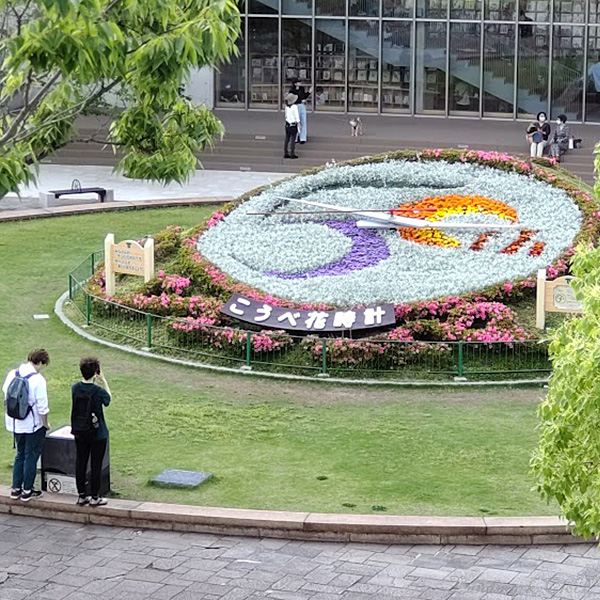
A flower clock is a reusable “seasonal display platform.” Public sources describe frequent replanting and design changes—often tied to seasons, events, and even community-submitted design ideas.
This gives civic owners a rare advantage: one permanent structure generates new “campaign content” repeatedly, without the cost or disruption of rebuilding. It’s ideal for:
public park upgrades and civic-center renewal
Public Buildings (Public Buildings) forecourts and ceremonial plazas
Public Facilities (Public Facilities) where clear, friendly identity improves usability
long linear green corridors that benefit from recognizable nodes and wayfinding
Citizen experience
What makes this case especially convincing is how citizens actually use it. In public photos and casual posts, people often stop at the clock for a quick snapshot, then continue along the surrounding paths—commenting that the area feels suitable for jogging and everyday walking. That behavior matters to decision-makers: a landmark that becomes a route waypoint supports active-mobility objectives, improves perceived safety through consistent foot traffic, and strengthens the “everyday utility” argument during funding reviews. Media coverage also shows that when changes were proposed, citizens treated the clock as part of their personal timeline—something tied to childhood and daily routines—creating strong social value that is difficult to replicate with generic street furniture.
Procurement and lifecycle: what the Mayor’s Office and City Planning Department want
From a public-sector perspective, this product category can be positioned as a high-ROI civic asset:
Placemaking + wayfinding: instantly recognizable node; supports orientation and meeting behavior
Community stewardship: design refresh cycles can be linked to public submissions, schools, or local horticulture groups (reduced vandalism risk through pride-of-place)
Controlled O&M: predictable seasonal horticulture plan + clear technical maintenance schedule (hands, drive, lighting, irrigation, waterproofing)
Redevelopment resilience: this case proves that with correct engineering and documentation, a flower clock can be removed and restarted during civic works—protecting heritage value while enabling urban growth.
In summary: this architectural flower clock demonstrates how a municipal timepiece becomes a community story—engineered like Public Infrastructure (Public Infrastructure), curated like landscape art, and loved like a shared memory landmark. It is a practical, tender-friendly choice for civic projects that aim to blend function, identity, and public wellbeing.
Leave Your Message
Products categories
-
40-Foot Floral Clock Landmark for Public
-
Giant Floral Clock Pavilion with Sloped
-
Tropical Floral Clock Landmark for Publi
-
Giant Floral Clock for Civic Squares &am
-
Heritage Flower Clock Landmark for Urban
-
GPS-Synchronized Flower Clock Landmark f
-
Public Park Flower Clock with 2.5 m Seco
-
Flower Clock, Garden Floral clocks fc003
-
Flower Clock, Garden Floral clocks
-
Floral Clock, Garden Floral clocks