


GPS-Synchronized Flower Clock Landmark for Public Parks & Urban Waterfront Trails
GPS-Synchronized Flower Clock Landmark for Public Parks & Urban Waterfront Trails
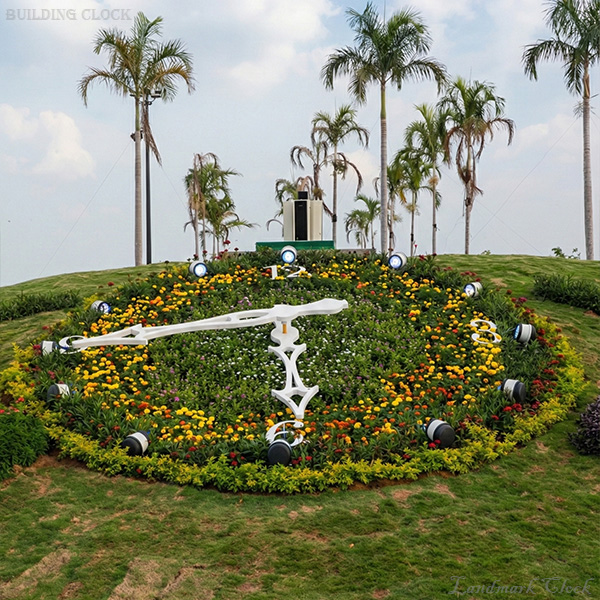
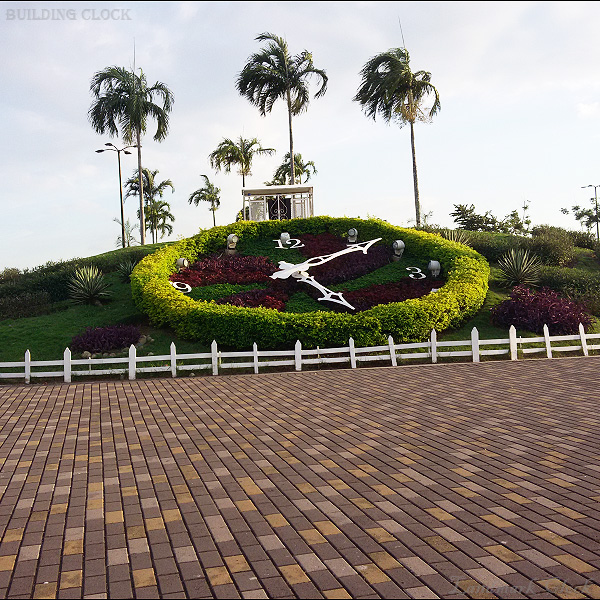
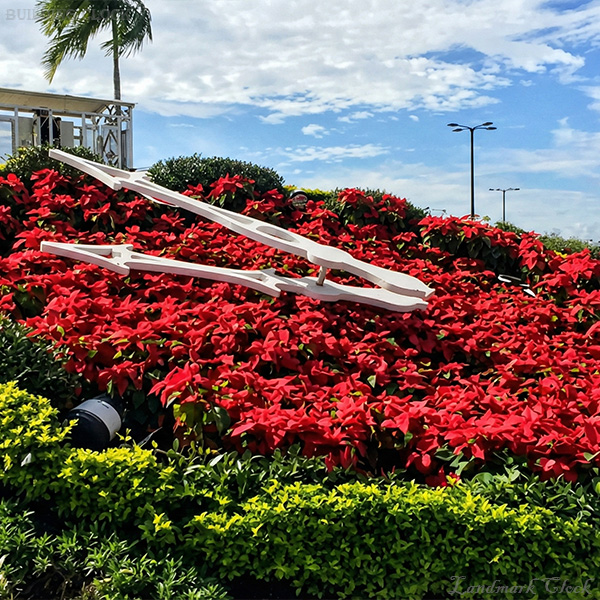
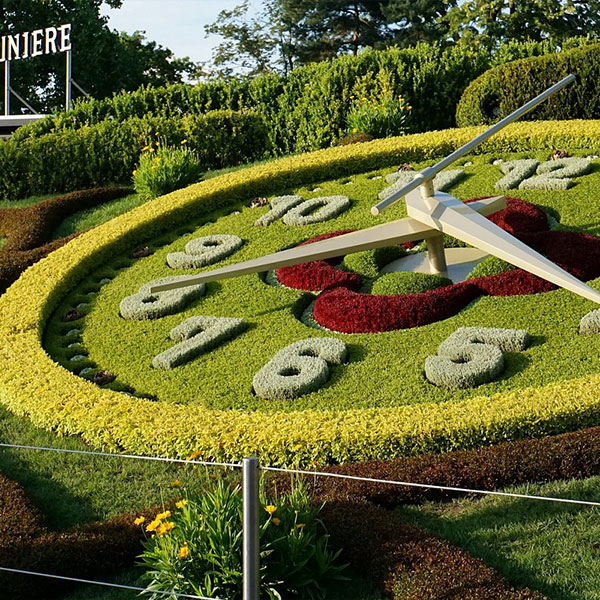
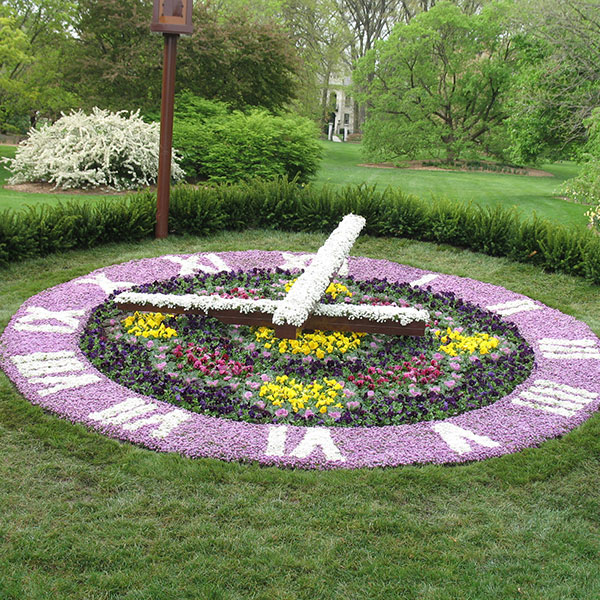
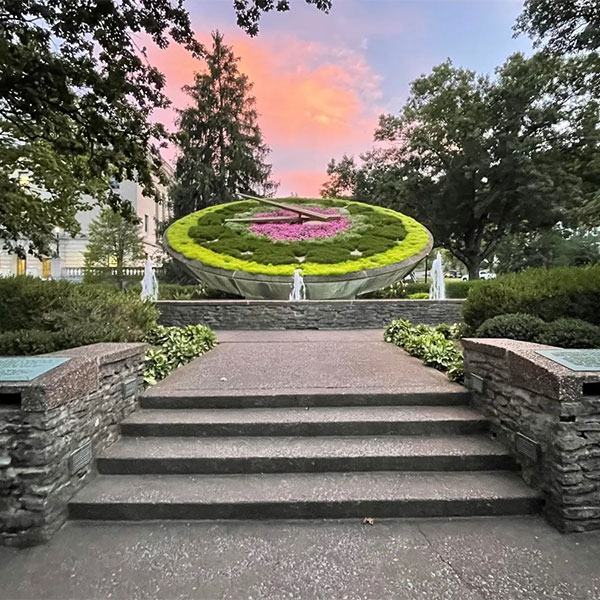
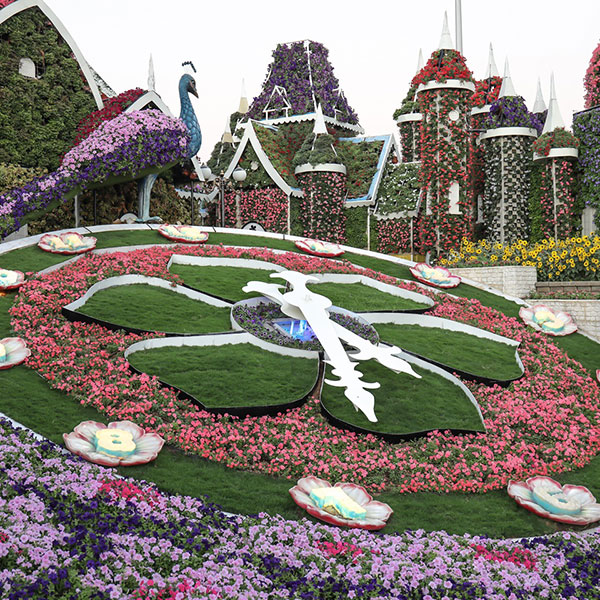
A Flower Clock is not just an outdoor time display—it is a living civic landmark that merges precision timekeeping, landscape architecture, and public-space identity into a single, highly shareable focal point. Designed for prominent public settings such as urban parks, waterfront promenades, civic squares, and the forecourts of Public Buildings (Public Buildings), this type of architectural clock creates an intuitive meeting spot, strengthens wayfinding, and reinforces the long-term value of Public Infrastructure (Public Infrastructure) investments.
A Landmark That Performs Like Infrastructure
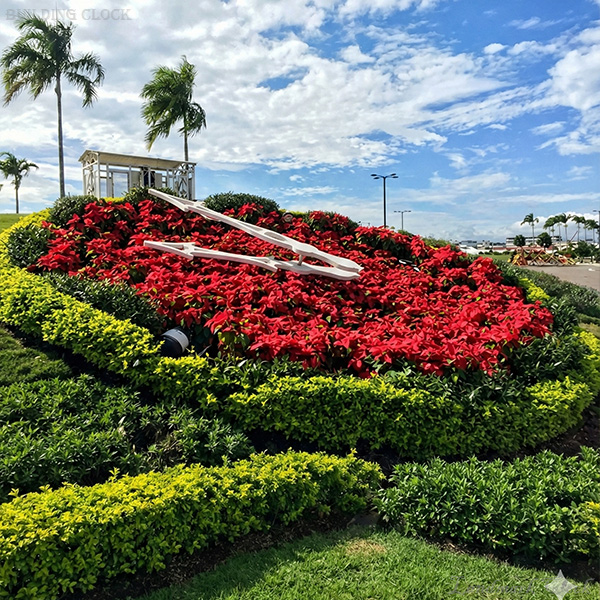
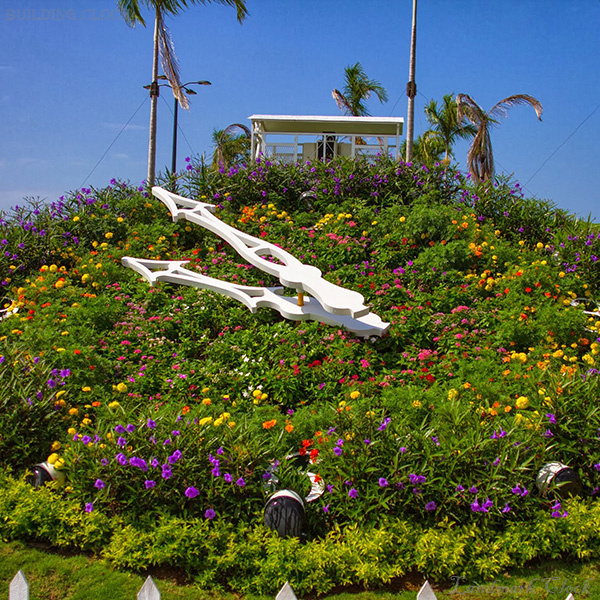
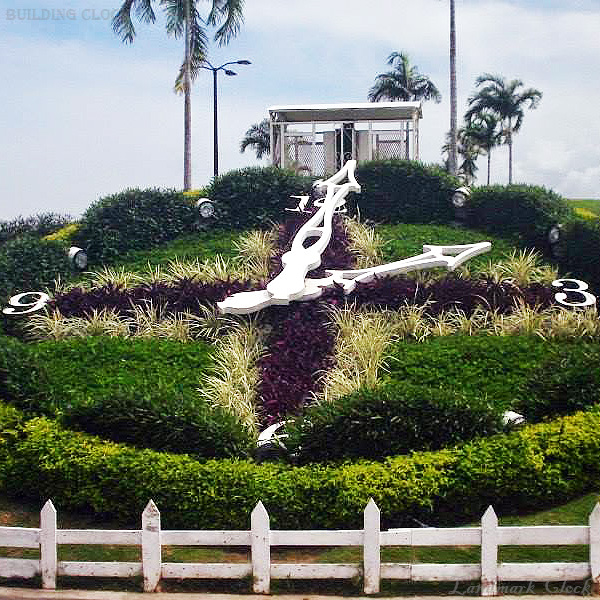
Unlike decorative monuments that serve only symbolic purposes, a Flower Clock provides a clear public function: reliable, easy-to-read time in the places people actually use every day. Its clock face becomes a botanical canvas—patterns and color blocks formed by planted materials that can be refreshed seasonally to reflect city branding, festivals, or community events. For owners and sponsors, this delivers a rare combination of benefits: public art-level impact + practical utility + measurable place-activation value.
Operational Features Designed for Real Urban Conditions
Public environments demand accuracy, resilience, and low operational friction. This product format can integrate GPS time synchronization, supporting correct local timekeeping and reducing manual resetting after power interruptions. For extended public-space activation and nighttime legibility, LED illumination can highlight the clock after sunset, contributing to safer, more vibrant public areas while supporting energy-efficient operations.
From a landscape perspective, the planting zone is designed for high contrast and legibility—clean geometry, recognizable patterns, and color fields that read clearly at pedestrian viewing distances. Plant palettes can be specified around climate realities such as heat, wind, humidity, and coastal exposure, aligning with local maintenance capacity.
Built for High-Traffic Public Realm Use
As a municipal-grade outdoor installation, an architectural Flower Clock can be engineered with:
Weather-resistant structure for UV, rain, and humidity
Stable base design with concealed service access
Anti-tamper detailing to reduce vandalism risk
Clear day-to-night visibility
Modular planting layout for efficient seasonal refresh and fast repairs
For public-sector clients, the goal is not only “grand opening impact,” but lifecycle durability—a landmark that stays accurate, presentable, and safe for years.
O&M (Operations & Maintenance) That Municipal Buyers Care About
Successful projects plan O&M from day one, treating the clock like a managed public asset:
Routine horticulture (trimming, replanting cycles, pest management)
Irrigation integration (manual or automated) for stable plant health
LED inspection and replacement schedule
Periodic timekeeping system checks and verification
Seasonal display plan for civic campaigns and holidays
This approach supports parks departments, public works teams, facility managers, or landscape maintenance contractors—keeping the installation consistently “photo-ready.”
Citizen Experience That Helps Planners Justify the Investment
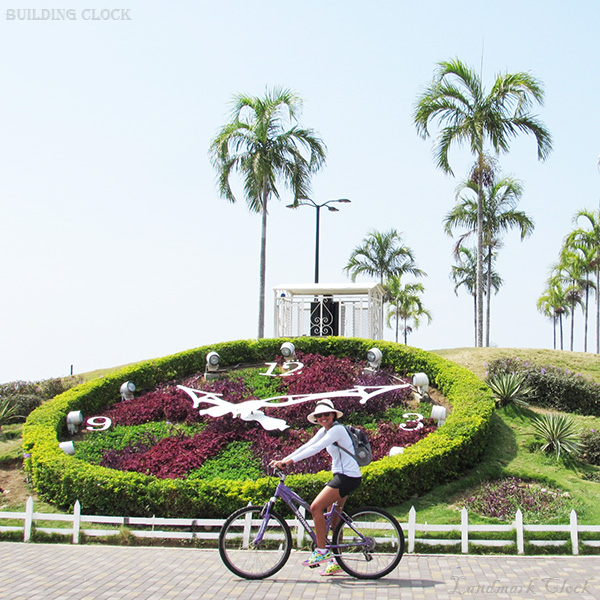
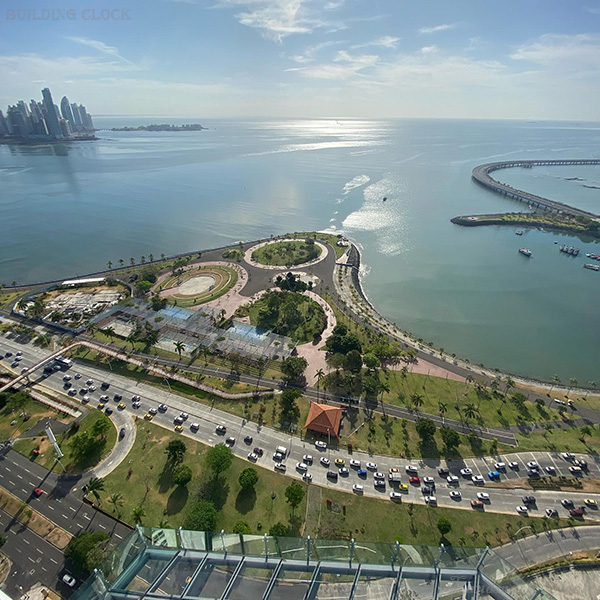
In many modern park and waterfront upgrades, residents don’t just observe the landmark—they use the space around it. Public posts and casual videos often show people stopping by the flower clock for a quick shot, then continuing along the adjacent path, with comments describing the area as comfortable for jogging and walking. That user behavior matters for procurement and planning: a landmark that “earns its place” by anchoring a route can strengthen the case for funding by demonstrating everyday utility—supporting health-oriented programming, active-mobility goals, and a safer public realm through regular foot traffic. In other words, the clock is not only a symbol; it becomes a recognizable waypoint that helps residents structure their run, meet friends, and keep moving through the park system.
Why Architects, Landscape Firms, and City Planners Specify It
For designers, the Flower Clock functions as a signature node in a masterplan—an anchor that improves wayfinding, frames views, and creates a strong foreground for skyline or waterfront photography without consuming a large footprint. It performs especially well at:
Major pedestrian intersections and viewing terraces
Park entrances and cultural districts
Civic squares near Civic Buildings (Civic Buildings)
Linear waterfront greenways where repeated “moments” enhance the route
Procurement, Tendering, and Stakeholder Alignment
For government buyers and project sponsors, this installation fits naturally into:
Public park upgrades and waterfront revitalization programs
Public Buildings (Public Buildings) forecourt improvements
Public Infrastructure (Public Infrastructure) beautification and identity projects
Placemaking initiatives tied to tourism, community activation, and public safety
It is also tender-friendly because performance requirements can be clearly written into RFP documentation: time accuracy, lighting specification, structural materials, maintenance access, planting area size, irrigation readiness, warranties, and spare-part support.
A Seasonal Display Platform for City Branding
One of the strongest long-term advantages is adaptability: the underlying structure stays constant while the planting design evolves. This turns a single installation into a seasonal display platform—a predictable-budget way to refresh public interest and generate recurring media content.
Result: an architectural Flower Clock that is accurate, visible, serviceable, and built for civic use—helping public owners deliver a landmark that people remember, photograph, and incorporate into their daily routines.
Leave Your Message
Products categories
-
40-Foot Floral Clock Landmark for Public
-
Giant Floral Clock Pavilion with Sloped
-
Tropical Floral Clock Landmark for Publi
-
Giant Floral Clock for Civic Squares &am
-
Heritage Flower Clock Landmark for Urban
-
GPS-Synchronized Flower Clock Landmark f
-
Public Park Flower Clock with 2.5 m Seco
-
Flower Clock, Garden Floral clocks fc003
-
Flower Clock, Garden Floral clocks
-
Floral Clock, Garden Floral clocks